Google has officially rolled out the final version of Android 17, alongside Wear OS 7 for smartwatches. The new software debuts first on Google’s Pixel lineup and is accompanied by the latest Pixel Drop update, which introduces a variety of new capabilities. Among the highlights are support for Google’s newest AI models, including the music-generation system Lyria 3, the multimodal Gemini Omni model, and enhanced speech translation features powered by AudioLM for the Pixel 10a.
The latest software release reinforces Google’s broader strategy of positioning Android and Pixel devices as showcases for its most advanced AI innovations. While Apple continues working toward the public launch of upgraded Siri capabilities and AI-powered features in iOS 27 later this year, Google is placing a strong emphasis on Gemini’s role across creativity, communication, productivity, and overall device experiences with Android 17.
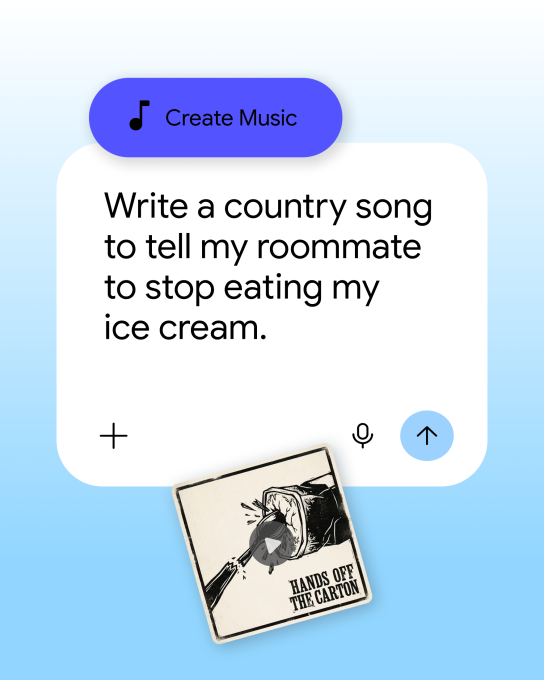
As part of the new Pixel Drop, Android’s Quick Share feature is gaining compatibility with Apple’s AirDrop on older Pixel 8a and Pixel 9a smartphones. In addition, Gemini Omni now allows users to edit videos directly within a conversational interface, making content creation more seamless. Meanwhile, Lyria 3 enables users to generate original music tracks inside the Gemini app using either text prompts, images, or a combination of both. Pixel 10a owners will also benefit from upgraded speech-to-speech translation capabilities powered by AudioLM.
Several additional phone features are also being introduced. Users can now record personalized outgoing audio messages for incoming callers whenever they are unable to answer a call. Google is also expanding the availability of its “Take a Message” functionality to additional international markets.
The latest Pixel Drop extends safety capabilities to the Google Pixel Watch as well. If the smartwatch detects a vehicle collision, a significant fall, or even an absence of pulse, it can automatically contact emergency responders and notify designated emergency contacts, providing an additional layer of personal safety.
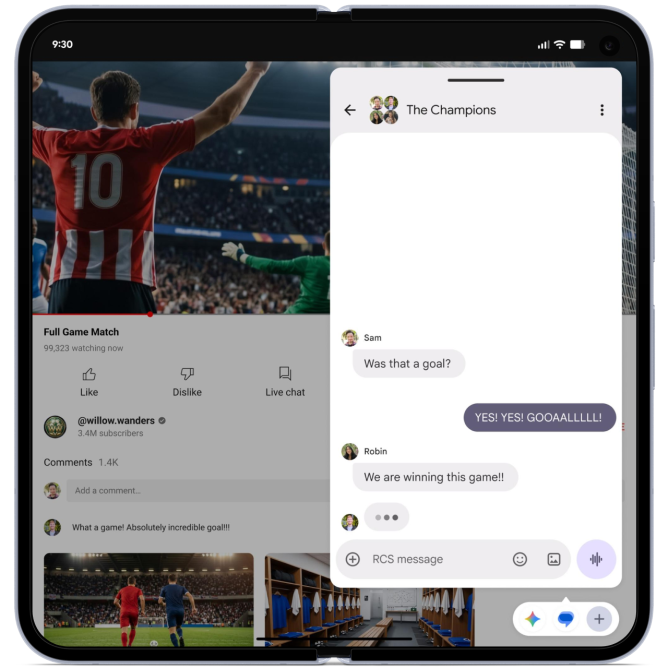
Beyond artificial intelligence enhancements, Android 17 introduces a number of productivity-focused improvements. One of the most notable additions is the new “bubble bar,” a user interface element that allows users to organize, reposition, and quickly access recently used applications through floating bubbles displayed at the bottom of the screen. The feature is intended to streamline multitasking and make switching between apps faster and more efficient.
Content creators and social media users may also appreciate a new recording feature that enables simultaneous capture from both the selfie camera and the device screen. This functionality makes it easier to create reaction videos, tutorials, gameplay commentary, and similar content for platforms such as TikTok, YouTube, Instagram, and other social networks.
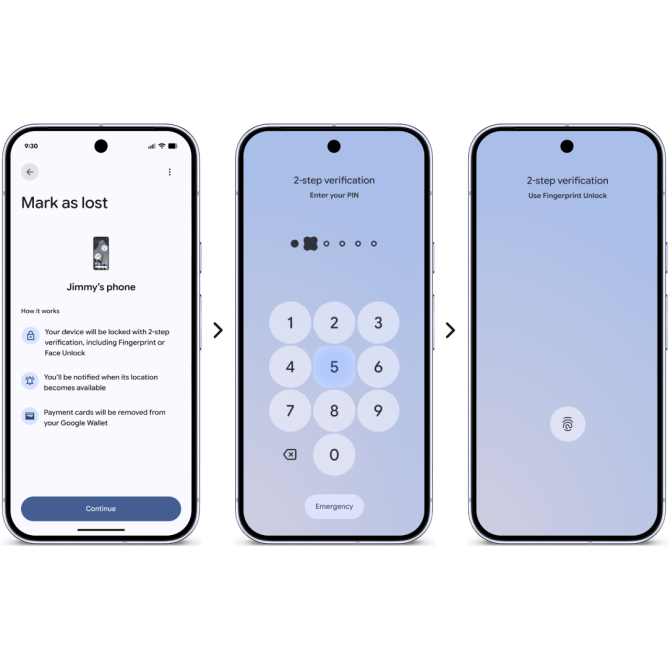
Google has also strengthened parental controls and security protections in Android 17. New additions include a “Mark as Lost” option within Find Hub, Live Threat Detection, and a range of other security defenses designed to help protect user data and devices. Family-focused features have also been improved, with screen-time restrictions and content-filtering settings now configurable using a PIN code, eliminating the need to connect a Google account.
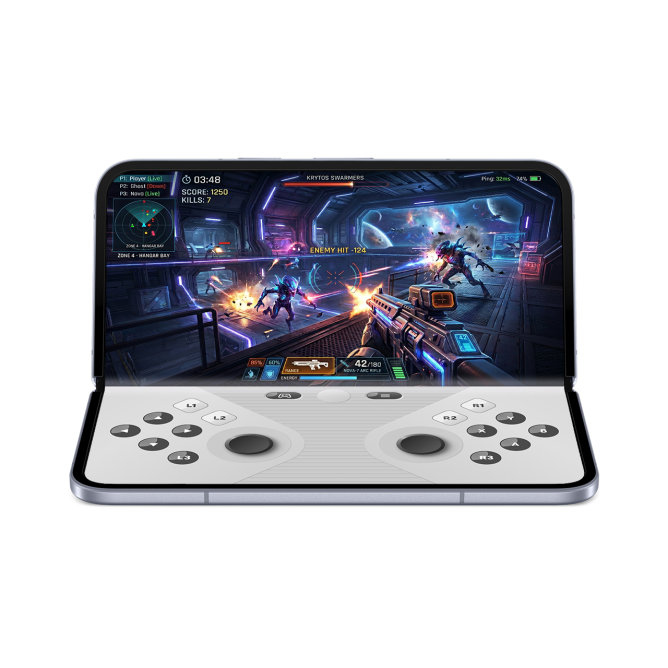
For gaming enthusiasts using foldable devices, Android 17 introduces a dedicated foldable gaming mode featuring a balanced 50/50 screen layout and a dynamic gamepad interface designed to improve gameplay experiences on larger foldable displays.
Smartwatch users are receiving upgrades as well. Wear OS 7 now supports live updates from smartphone applications that can be mirrored directly to the Pixel Watch. Google says its smartwatch platform will also integrate more effectively with upcoming hardware products, including AI-powered smart glasses and future audio accessories such as headphones.
Later this summer, Wear OS will gain additional Gemini Intelligence capabilities. Among the planned features are tools that allow users to create personalized widgets simply by describing what they want. Google is also introducing a new “Personal Intelligence” experience that connects Gemini with a user’s Google apps and chat history, enabling more context-aware assistance.
The latest version of Wear OS is also expected to deliver improved battery efficiency, with Google claiming gains of up to 10 percent. Additionally, users will gain access to more advanced multistep automation tools, further expanding the capabilities of Google’s wearable ecosystem.