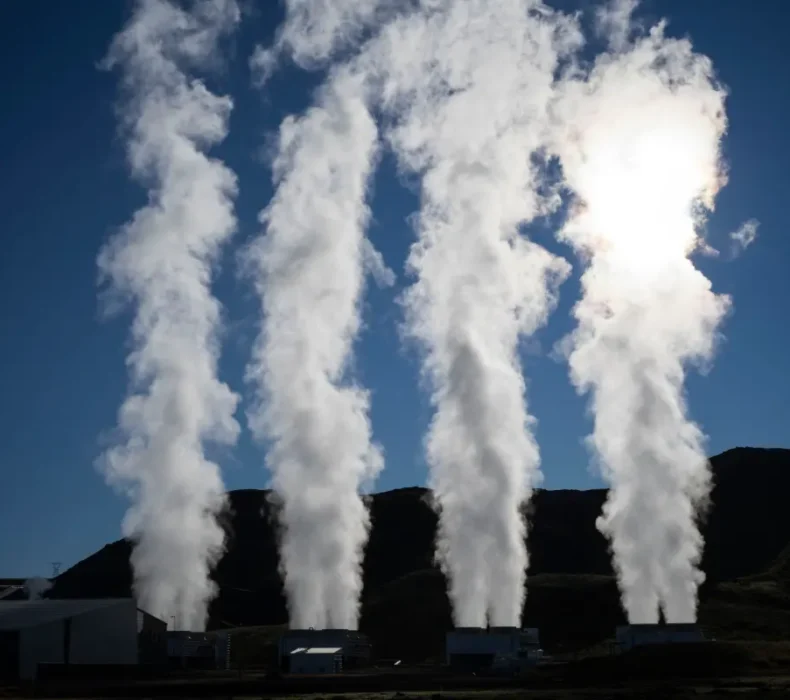
Few renewable energy sources can rival the long-term potential of geothermal power. According to the International Energy Agency (IEA), geothermal resources worldwide could provide at least 42 terawatts of generating capacity — more than double the amount of energy consumed globally last year.
Despite this enormous opportunity, geothermal energy remains one of the most overlooked sectors in the clean energy industry. Investment in geothermal startups continues to lag far behind the capital flowing into advanced nuclear fission and fusion ventures, even as geothermal technologies steadily gain momentum.
Against that backdrop, Critical Energy’s recent fundraising stands out. The startup has secured $19 million in seed financing to address one of the geothermal industry’s key infrastructure bottlenecks: the shortage of turbines specifically designed for geothermal power generation. The company plans to use the funding to build its first 2.5-megawatt project, according to information shared exclusively with TechCrunch.
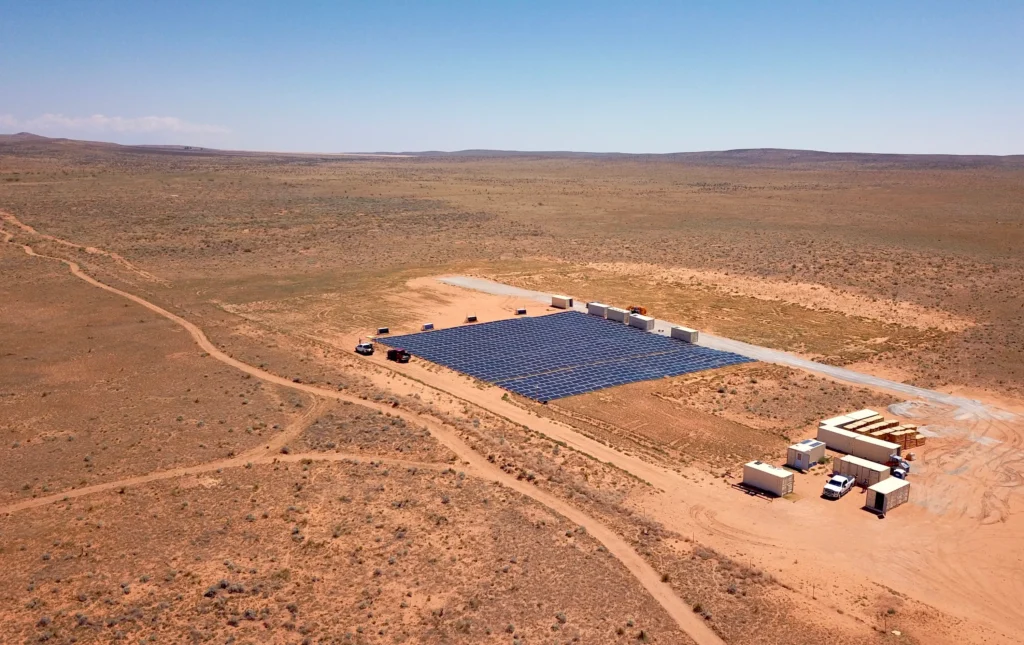
At the same time, many of the energy sector’s most heavily funded companies — particularly those focused on nuclear fission and fusion — are still aiming for their first commercial deployments in the early 2030s. By then, geothermal developers could already be constructing power plants on a gigawatt scale.
“Geothermal is going to beat them to it. By a lot,” Critical Energy co-founder and CEO Spencer Jackson told TechCrunch. “Within four or five years, I hope we’re deploying many gigawatts annually.”
Even a relatively modest expansion of geothermal capacity could play a major role in meeting the world’s rapidly growing electricity demand, especially from the technology sector. A recent report suggested that advanced geothermal systems could supply nearly two-thirds of all new data centers by 2030.
However, Jackson believes a significant supply-chain challenge is emerging. Many geothermal projects currently rely on large, custom-built turbines that often require months or even years to manufacture, transport, and assemble on-site.
“Building turbines directly in factories remains significantly faster and more cost-effective,” Jackson said.
Critical Energy aims to solve this problem through a modular turbine platform designed specifically for geothermal applications. The company’s approach draws heavily from Jackson’s engineering experience at SpaceX, where he contributed to major programs including Falcon Heavy, Starship, and the Raptor rocket engine.
Many of the turbine components being developed by Critical Energy share similarities with rocket-engine turbomachinery. To accelerate production, the startup is partnering with specialized machine shops to manufacture key components while sourcing additional parts through established suppliers. Over time, the company may choose to vertically integrate more of its manufacturing process, following a strategy similar to those adopted by Tesla and SpaceX.
The first geothermal power facility using Critical Energy’s turbine technology is expected to be completed in 2027. The installation will be deployed at an existing geothermal site comparable to facilities found in Iceland or at The Geysers geothermal complex in Northern California.
In addition to its initial product, the company is developing a larger 5-megawatt turbine module designed for enhanced geothermal projects. These next-generation geothermal systems, pioneered by companies such as Fervo Energy, access deeper underground heat resources by drilling farther into the Earth’s crust, allowing operators to extract significantly greater amounts of thermal energy.
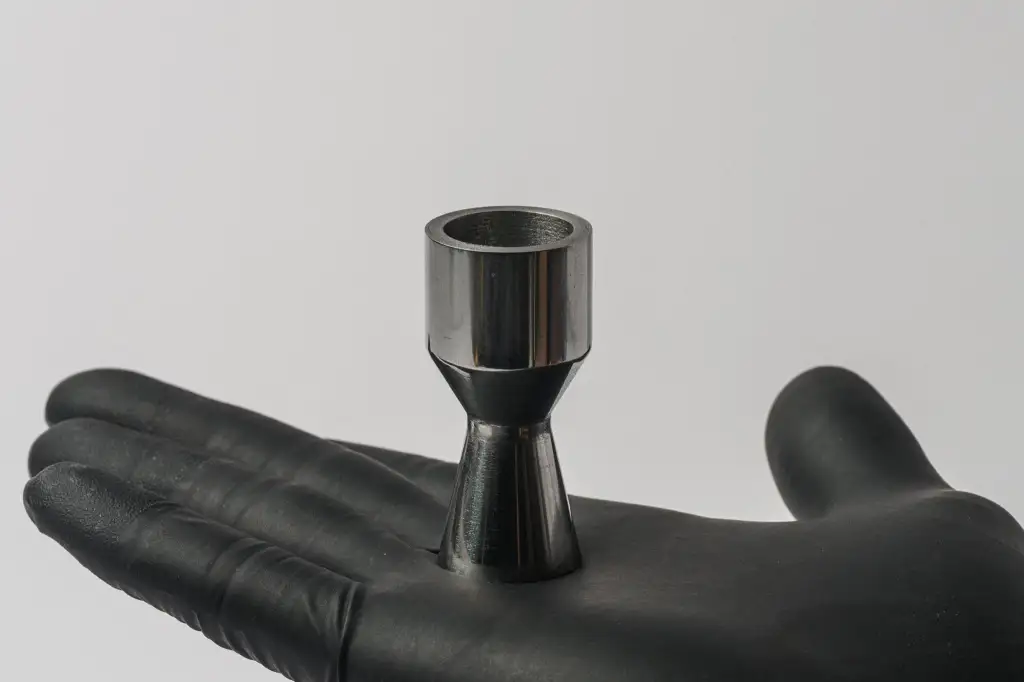
Looking ahead, Jackson envisions rapid expansion. By the early 2030s, he hopes Critical Energy will be producing enough turbines to support gigawatts of geothermal generation capacity each year.
“We are searching for the fastest route to scalable gigawatt-level power deployment on the grid,” Jackson said. “Our long-term objective is reaching 300 gigawatts of turbine production annually by 2045.”
Although geothermal development has largely progressed outside the spotlight, Jackson believes the industry could accelerate dramatically once the technology reaches broader commercial maturity. In particular, he expects major oil and gas companies to become increasingly involved due to their expertise in large-scale drilling operations.
“Geothermal has a significant advantage because the oil and gas sector already knows how to replicate drilling operations at massive scale,” he explained. “These companies are capable of developing hundreds or even thousands of wells. They are exceptionally skilled at drilling. What they will need, however, are turbines — and that is where a major supply shortage is likely to emerge.”
The company’s seed financing round was led by Susa Ventures and Upfront Ventures, with additional participation from MaC Venture Capital, Susquehanna Sustainable Investments, Humba Ventures, Scribble Ventures, and Underground Ventures.
In addition to the equity financing, Critical Energy secured $3 million in venture debt from Silicon Valley Bank. Combined, these investments bring the startup’s total early-stage funding to $22 million as it works to expand geothermal power generation through scalable turbine technology.