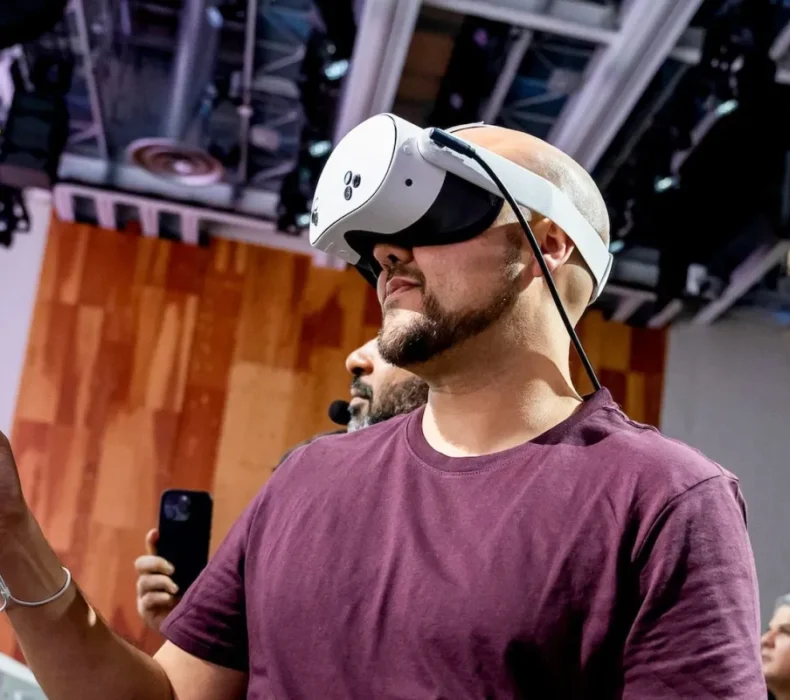
Meta has officially paused its initiative to make Meta Horizon OS, the mixed reality operating system that powers the Quest headset lineup, available to third-party hardware manufacturers. The program was originally introduced as a key component of the company’s broader metaverse strategy, aiming to establish a diverse ecosystem of virtual and mixed reality devices capable of connecting users to Meta’s digital experiences.
According to a statement provided to TechCrunch, Meta has decided to suspend the effort in order to concentrate resources on developing its own hardware and software products.
“We have paused the program to focus on building the world-class first-party hardware and software needed to advance the VR market,” a Meta spokesperson said. “We’re committed to this for the long term and will revisit opportunities for third-party device partnerships as the category evolves.”
The development was first reported by Road to VR.
Meta initially unveiled the Horizon OS partnership initiative in April of last year. At the time, the company presented the move as a major step toward creating an open ecosystem for virtual and mixed reality devices. Meta announced that several major technology companies, including Asus, Microsoft’s Xbox division, and Lenovo, were exploring the development of hardware products powered by Horizon OS.
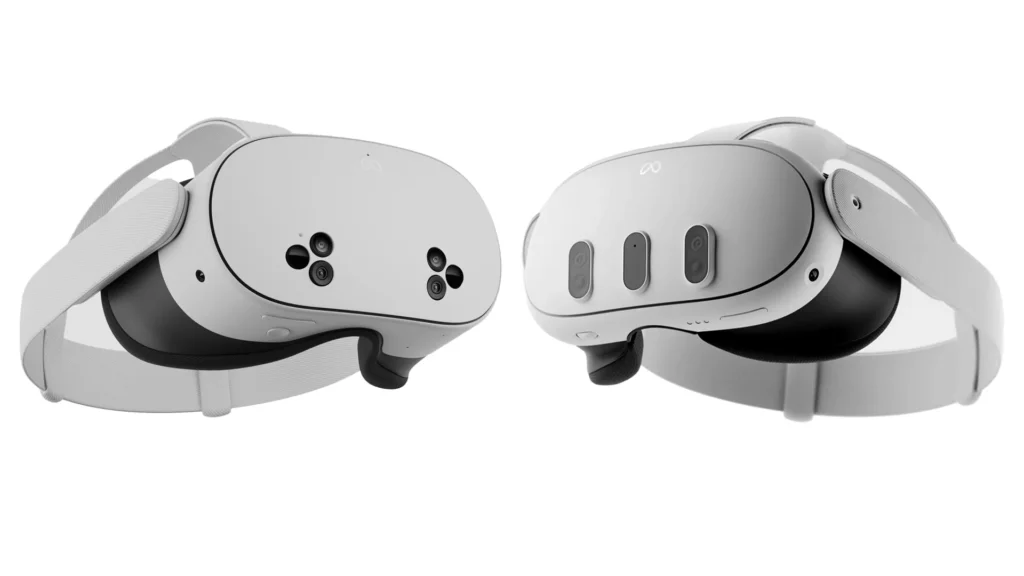
When introducing the program, Meta argued that a broader hardware ecosystem would benefit consumers in much the same way that shared operating systems have supported growth in the PC and smartphone industries.
“As we’ve seen with the PC and smartphone industries, consumers are best served by a broad hardware ecosystem producing both general-purpose computing devices and more specialized products, all running on a common platform,” the company stated during the announcement.
Despite the ambitious vision, relatively little information has emerged about the program since its launch. During Meta Connect in September, company representatives reiterated that discussions and collaboration with hardware partners were continuing, and that efforts to bring Horizon OS to additional devices remained underway.
Horizon OS was originally designed to deliver immersive mixed reality experiences while enabling a stronger sense of social interaction within virtual environments. The platform incorporates technologies such as hand tracking, body tracking, eye tracking, and facial tracking to help create more natural digital interactions and communicate a user’s presence within virtual spaces.
The operating system was developed during a period when Meta CEO Mark Zuckerberg frequently described the metaverse as the company’s long-term strategic future. At the time, Meta invested heavily in virtual reality, augmented reality, and the broader ecosystem surrounding digital worlds and immersive computing.
However, the company’s priorities appear to have shifted significantly in recent years as artificial intelligence has become a central focus across the technology industry. Interest in the metaverse has gradually taken a back seat to AI initiatives, both internally at Meta and across the broader market.
Recent reports suggest that this changing focus is beginning to affect Meta’s metaverse-related operations. Earlier this month, Bloomberg reported that the metaverse division within Reality Labs — Meta’s business unit responsible for virtual reality and augmented reality hardware — could face budget reductions of up to 30%.
Meta later confirmed that it intends to redirect a portion of its investments away from metaverse projects and toward AI-powered wearables and smart glasses, areas where the company believes momentum and market opportunities are currently stronger.
The decision to pause Horizon OS licensing partnerships reflects this broader strategic realignment. Rather than expanding its software platform across third-party hardware, Meta is prioritizing the development of its own devices while increasing investments in artificial intelligence technologies and next-generation wearable products.
Although the company has not permanently abandoned the idea of licensing Horizon OS to external manufacturers, the initiative is now on hold as Meta focuses on strengthening its first-party ecosystem and positioning itself for the next phase of competition in AI, mixed reality, and wearable computing.